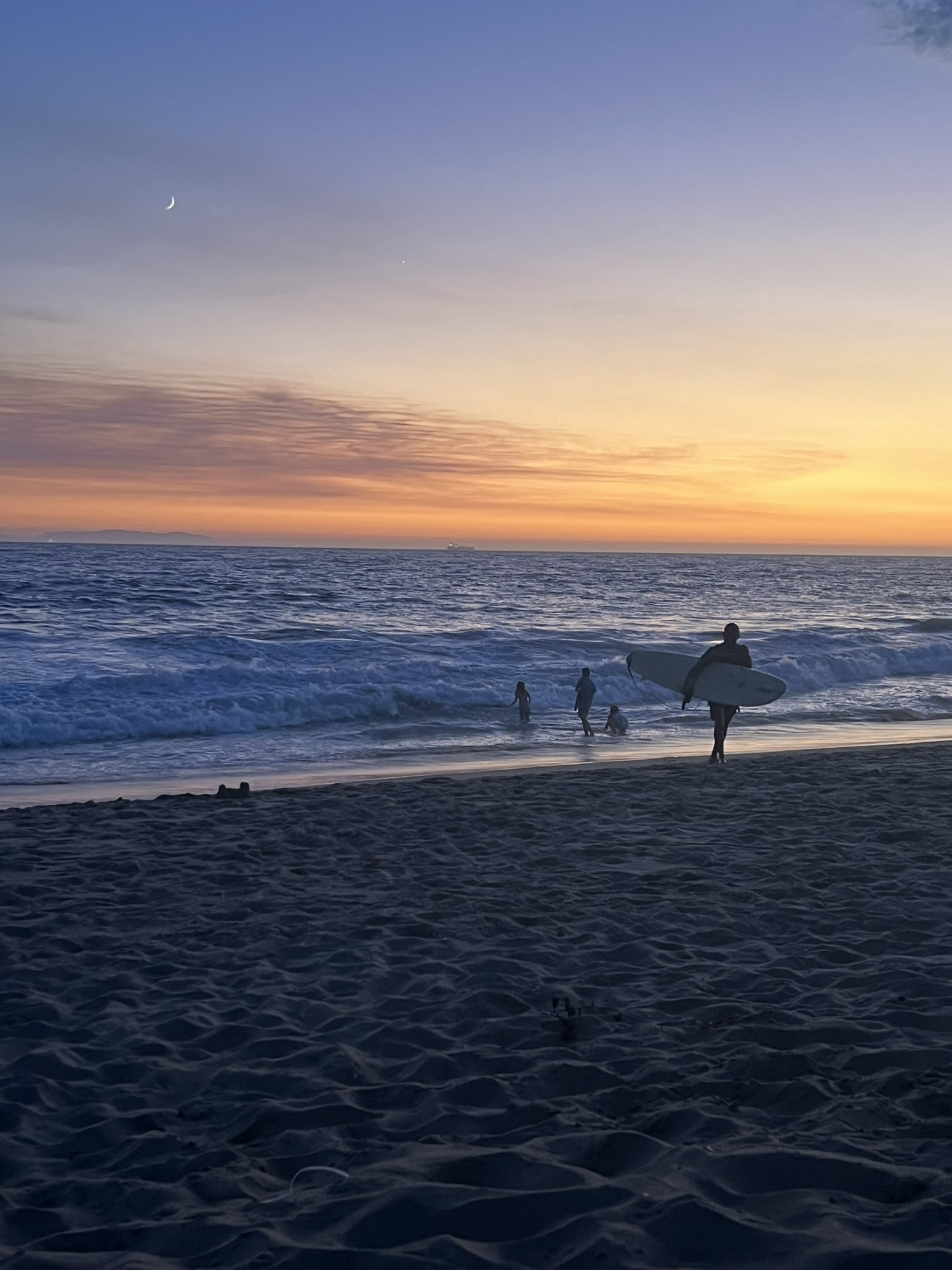
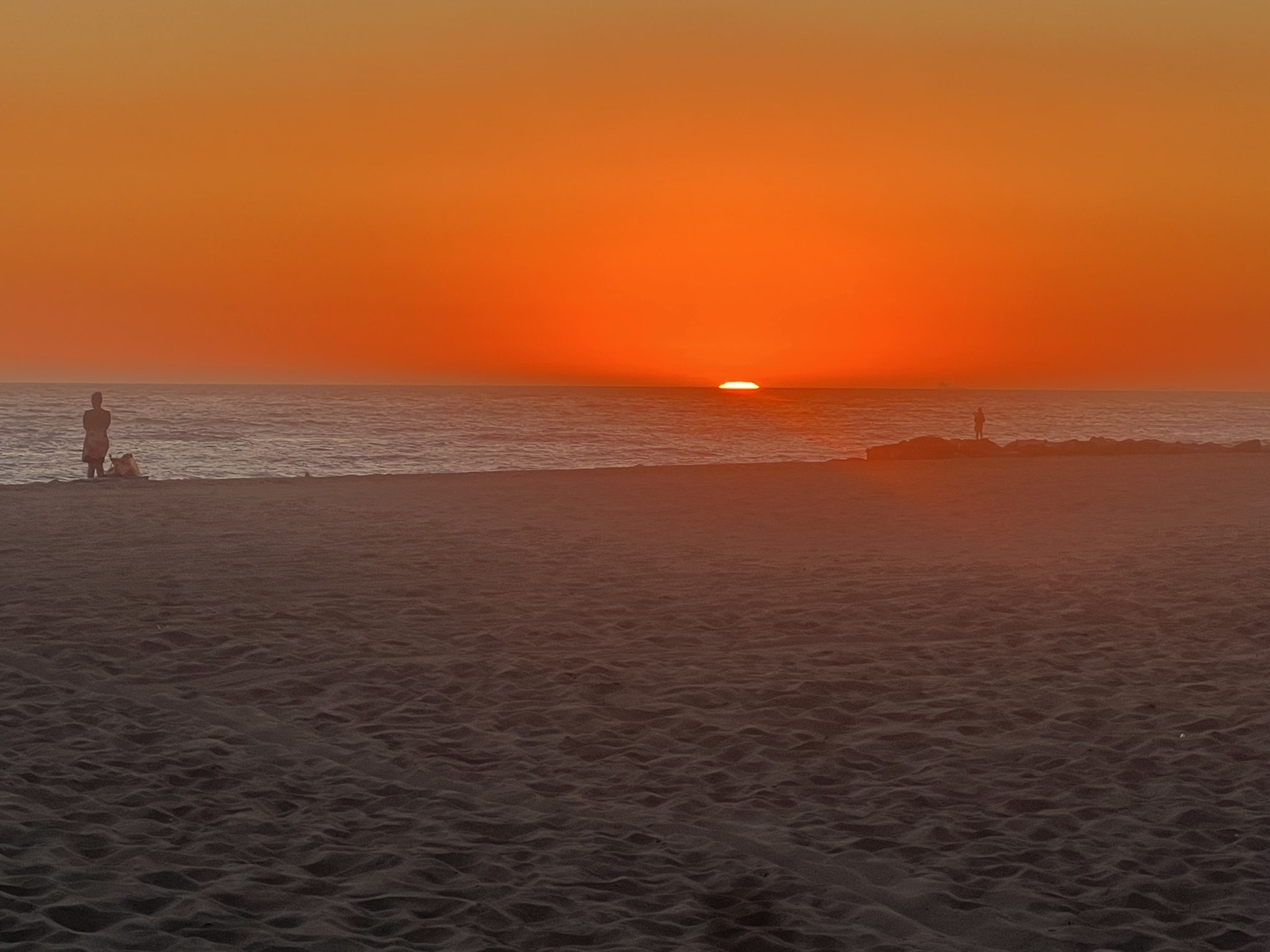
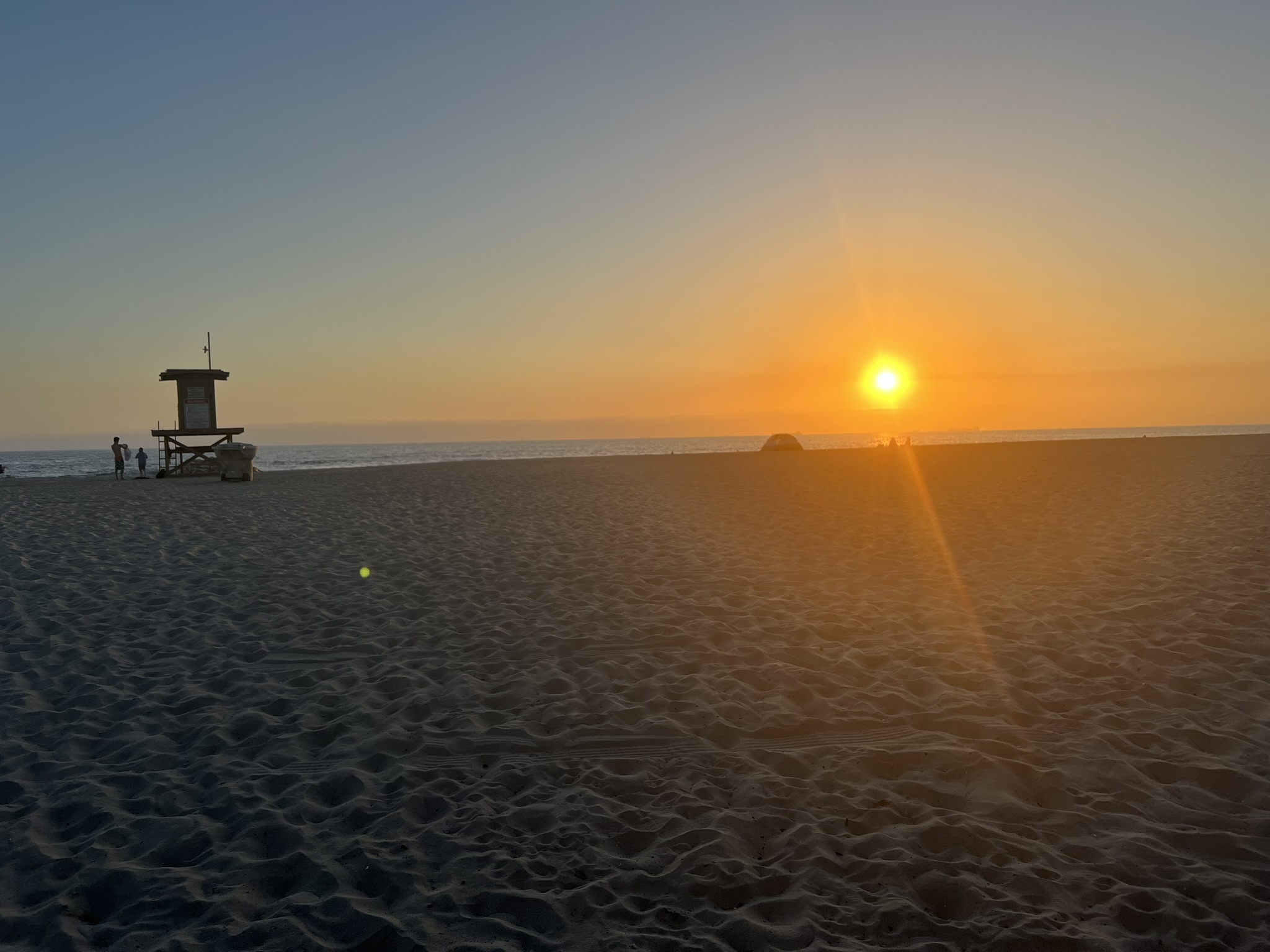
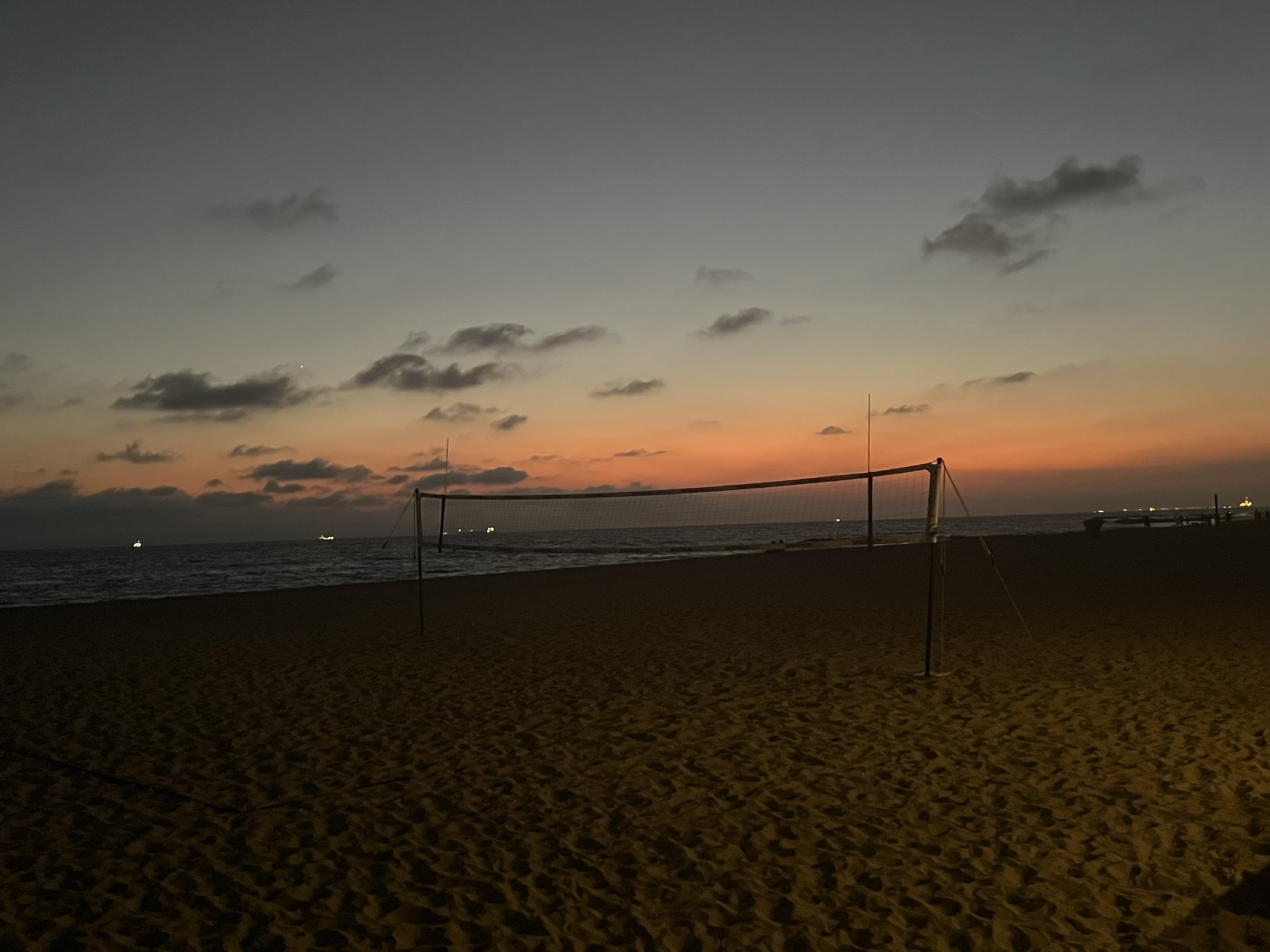
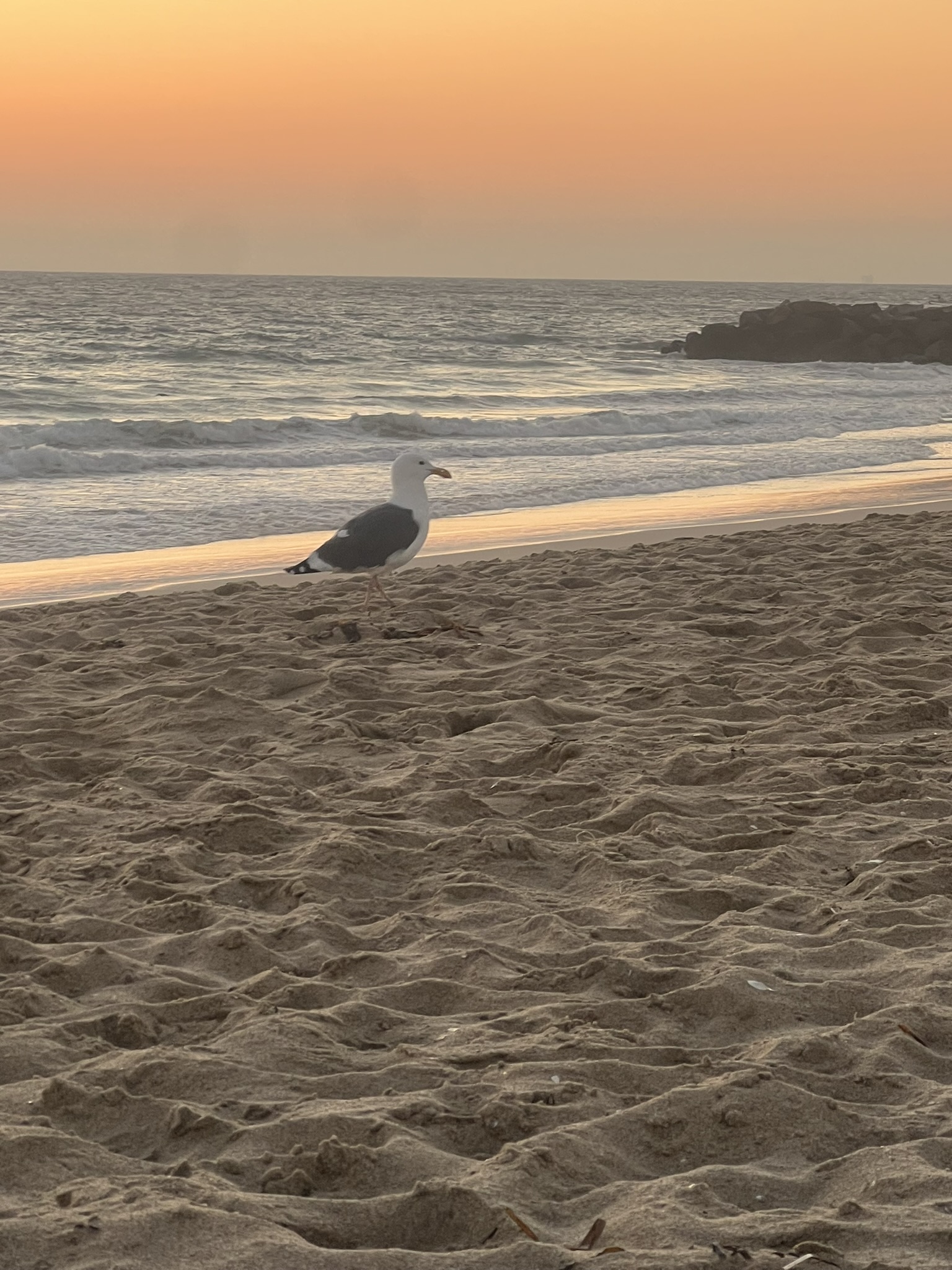
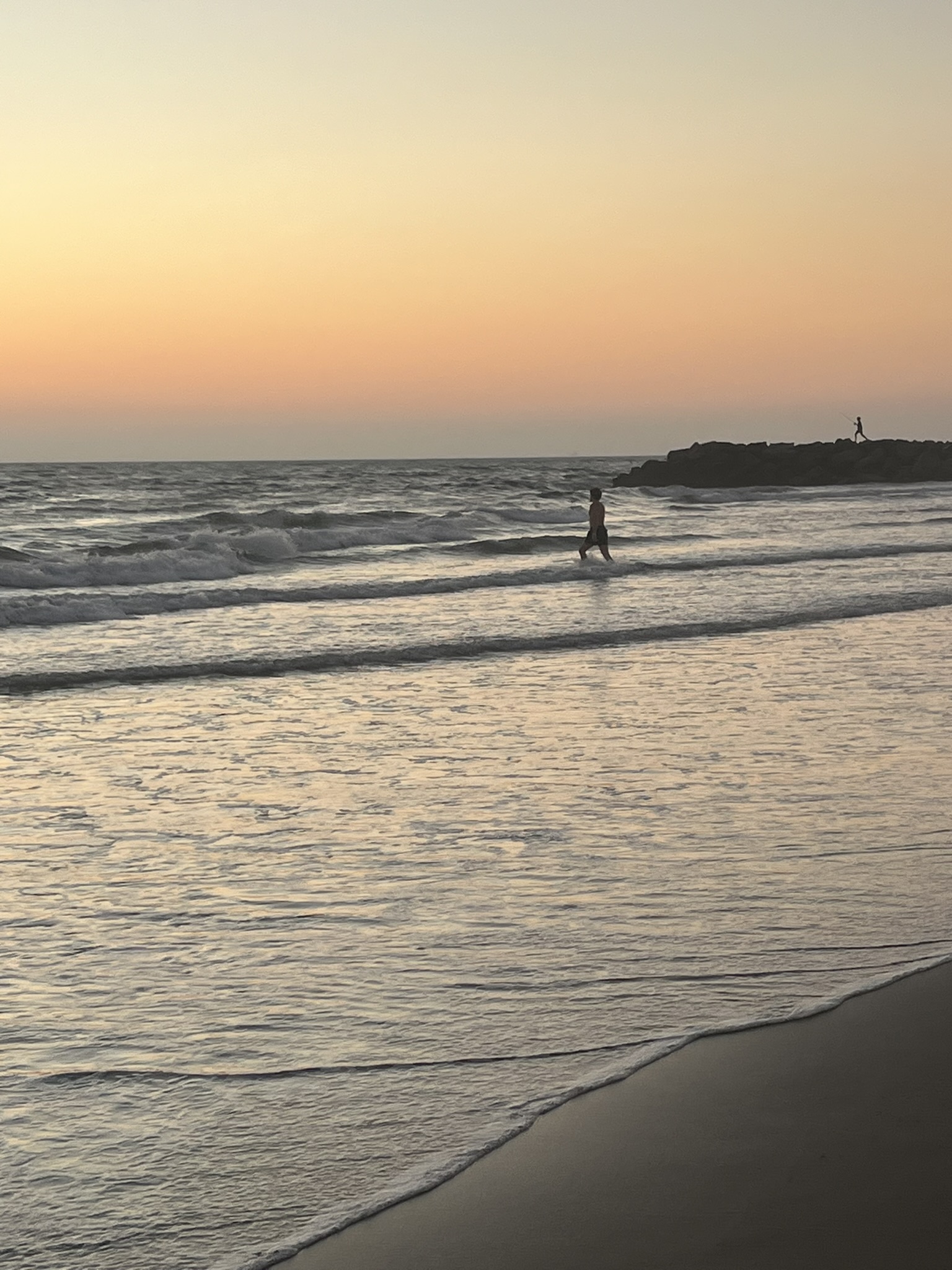
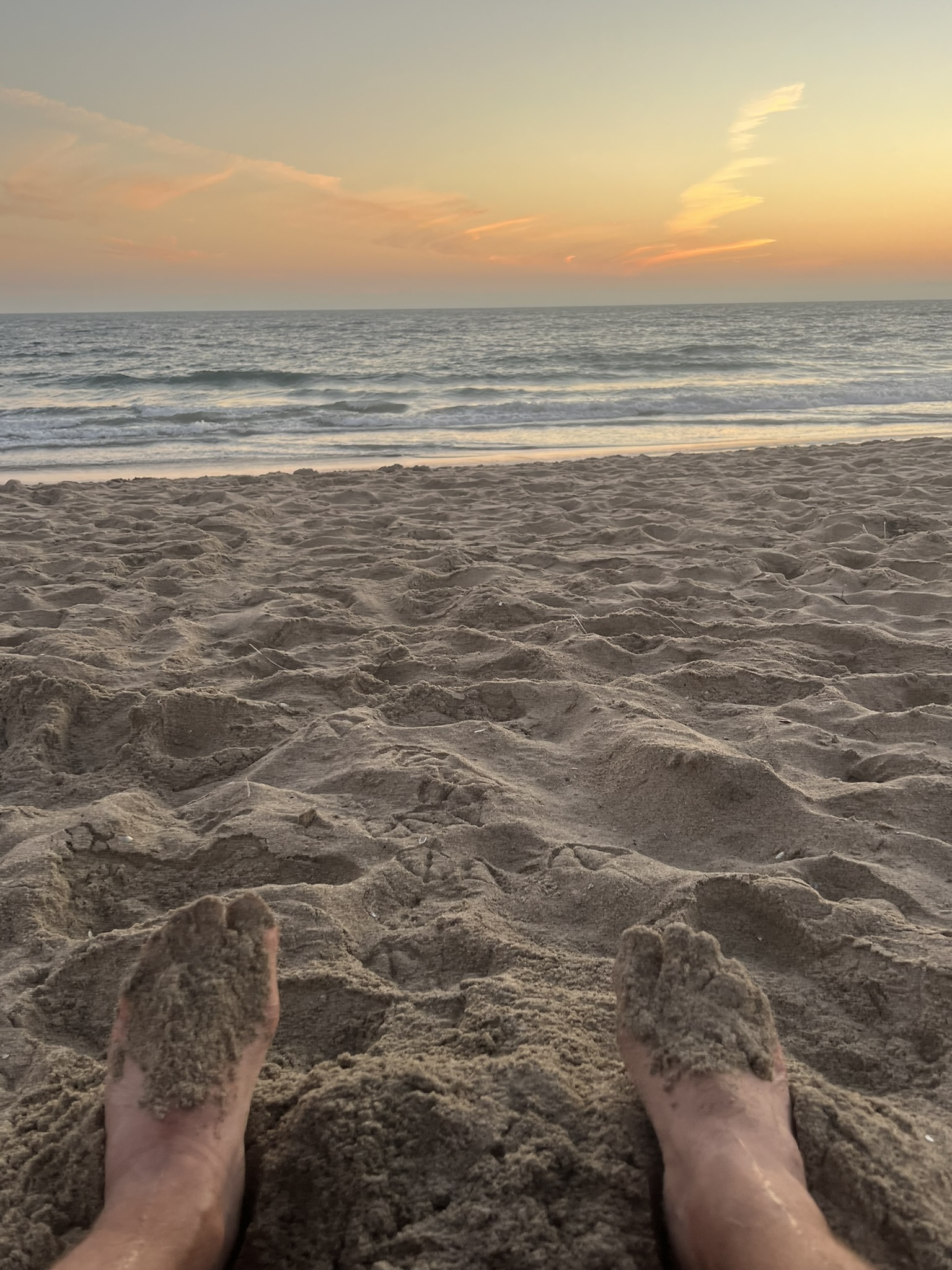
Sometimes on a gray Seattle day, you need to look back at your photos to get some sunshine.


Got it. What's Next?
I hate stressing about the easy things I haven’t done because I “don’t have the time.” I know that’s nonsense. I have the 10-20 minutes it will take. I need to momentum and confidence that I can get in and out in those 20 minutes, and not go to bed 2 hours later instead. So I’ve been trying this.
I took the standard Pomodoro technique which is 25 minutes on, 5 minutes off.
My version for the short sprint:
At the end, I don’t just take a break. I’ll do one physical movement. Walk in the yard, do a few pushups, stretch, whatever. It breaks the trance and resets the brain. Plus, my mind is focused now that one middling thing is done.
It’s that time of year when we’re all going stir crazy. But this year, I have a little baby who needs constant attention, so any moments I can break free of the house need to be spent wisely. My good friend ChatGPT recommended some ideas to me. What do you think?
Tucked away in South Seattle, Kubota Garden is a hidden gem that fuses traditional Japanese landscaping with Pacific Northwest beauty. The rain enhances the colors of the trees and the ponds, creating a tranquil, almost mystical experience. Walk along the serene paths, cross arched bridges, and enjoy the sound of the rain on the leaves. Bring an umbrella and good boots, and you’ll have the park practically to yourself.
If you’re into building or upcycling, Ballard Reuse is your spot. This architectural salvage shop is full of reclaimed materials, from vintage wood to old hardware. They host DIY workshops on creating furniture or decor from salvage items. Even if there’s no class that day, you can spend hours exploring the treasures and getting inspiration for a rainy-day project.
Skip the blockbusters and head to the Grand Illusion Cinema in the U-District. This small, independent theater shows obscure films, cult classics, and indie flicks that you won’t find anywhere else in the city. The theater itself is an experience—an intimate, old-school space that feels like stepping back in time.
Seattle’s famous underground is something most tourists don’t know about until they visit, but locals often forget about it too. The rain makes it an ideal time to dive into the city’s hidden history. Explore the old streets buried below modern Seattle, hear stories about the city’s past, and walk through spaces that are both eerie and fascinating.
If you’re looking for a creative way to bring the outdoors inside, check out Glasswing Greenhouse in Capitol Hill. They offer workshops where you can create your own terrarium or plant arrangement. Whether you’re a gardening pro or have never kept a plant alive, it’s a fun, hands-on way to engage with nature while staying dry.
For a truly one-of-a-kind shopping experience, visit Archie McPhee in Wallingford. Known as the home of bizarre and unusual items, it’s the perfect rainy-day escape. From rubber chickens to quirky costumes, you’re bound to find something fun (or at least laugh-worthy) here. It’s also a great spot to pick up a weird gift for that friend who has everything.
For those who love tinkering, check out the Bike Kitchen in the U-District. It’s a community bike repair space where you can learn how to fix bikes, build your own, or help others with repairs. Whether you’re an expert or a total newbie, it’s a great way to spend a rainy day while doing something hands-on and helpful.
Unleash your inner artist at Emerald City Fired Arts. You can choose from a range of pottery pieces to paint, and they’ll glaze and fire them for you. It’s a calming and creative way to spend the day, plus you get to bring home your handmade art.
If you want to combine indoor fun, a little friendly competition, and local beer, Flatstick Pub in South Lake Union or Pioneer Square is the place to be. They offer mini golf and other games in a laid-back pub atmosphere, perfect for rainy-day entertainment with friends.
How did ChatGPT do? Like any of them?
I’ve been listening to a few more podcasts lately, and reading a few more thoughtful articles about how our mindsets may have changed since February 2020, and how they will change again as we re-enter “the new back to normal.”
Two words that I’m seeing a lot are, “hoping” and “goal-setting.”
Of course, “hoping” is when I do the same thing over and over and consider the idea that something better may happen. I can do the same routine at the gym and hope this week I lose weight. Or I can perform the same tasks at work and hope that I get a raise and promotion. Until recently, I hadn’t really considered how much simply maintaining my status quo makes me rely on hope.
Goal-setting, however, is a powerful thought exercise. If my goal is to lose 20 pounds, I need mini-goals to get there. A goal on how and when I eat, how and how much I exercise, if I walk to the grocery store instead of drive, etc… All these achievable little goals bubble up into a macro-goal that is attained as a result.
Now there’s nothing inherently wrong with hope when it circumstances that you have no control over. I hoped a vaccine would be discovered, that I’d be able to attend Sounders games again, and most recently, that I wouldn’t be attacked by a swarm of 1,000,000 cicadas. These hopes came true, and I am grateful.
But I’m not going to simply hope for those pounds to fall off. That’s going to have to happen by hitting some goals.
The gym is closed, you don’t want to run at Greenlake, and your soccer season is canceled. How are we all going to stay in shape?
For some people, a routine and discipline are the keys to exercise. So when every day is Tuesday and every hour is 1:00pm, how do you accomplish that discipline? How do you make that routine happen?
I surveyed a few friends, and here are some ideas we’ve come up with. All of them take two minutes or less, and by the end of the day, you’ll have completed a decent amount of calorie burning.
You probably have your own ideas. Send me an email and share them, or just ping me on Twitter. Stay healthy everyone.
On one hand, you could say baseball is thriving. Revenues are over Gross revenues are $10 billion, National TV ratings are up, and many teams have lucrative local or regional TV deals that help pay the bills and then some. Plus, every time an NBA or NFL team gets sold for a new record, each team sees its valuation go up as well.
But then there’s that pesky issue of attendance and fan interest. From Forbes, “The 2017 regular season saw a total of 72,670,423 in paid attendance across the league. This was the first time since 2010 that attendance dipped below the 73 million mark, which was surprising.”
People will argue why attendance is down, but most ideas fall around a central theme. The games are too long for today’s environment, often too boring, and the reliance on stats and analysis to make the smartest decisions possible takes the fun and unpredictability out of the game. Heck, even former players think the game is boring now. Jim Kaat says they should only play seven innings.
I made a comment earlier this week that I thought baseball was at its “Kodak Moment.” By that I meant, there was a time in the 1990’s when Kodak was making heaps of cash with a near monopoly on film and film development. Digital cameras kind of existed, but Kodak didn’t want to believe that people would prefer digital over film, so they just to keep looking at their stacks of cash, half-heartedly built some bad digital cameras, and ignored the direction the market was going. It’s easy to forget that in the mid-90’s, Eastman Kodak was a $90 stock. Today it’s barely above $5.00.
Compare that to Major League Baseball today. Heaps of cash, a storied history and a plethora of purists who want to make sure the game never changes. And the new entrants to their market are eSports and a growth in soccer, where people can get in and out of a match in a guaranteed 105 minutes. The market is shifting, and 10 years from now, you might be able to make an argument that the 2017 World Series may have been baseball’s apex.
But a savior has arrived, and its name is Legalized Gambling.
Today betting on a baseball game is dumb. Choose odds on a game or a point spread and hope for the best. It’s unpredictable at best, a monkey throwing darts at worst. Plus, why watch the game? All you need to do is check the score in the morning.
But the 2020 version of Legalized Sports Betting is intriguing. Be in the park or on your couch. Open your mobile phone app. Bet a tiny micro amount on each inning or each at bat. 2.5 to 1 he gets a hit. 2 to 1 they score a run. 10 to 1 there’s a home run in the inning. 1 to 1 there’s a strikeout. You could make 50-100 bets at $.25 to $2.00 per bet and the game would be awesome every pitch. And realistically, you’re probably only going to win or lose $10 to $20 per game unless you are exceedingly good or bad. A small price to pay for three hours of entertainment.
Baseball needs to get behind this. Having people actively involved on a batter by batter basis is akin to Fantasy Football players watching the 4th quarter of a 34-7 blowout to see if their receiver can pick up 60 cheap yards in garbage time. It would be great for the game, and engage a whole new set of fans who need instantaneous entertainment on their mobile devices. This generation of fans wouldn’t even need to watch the whole game – they could log in for an hour, play 20-30 bets, and then move on with their day.
Baseball need to embrace this. Don’t listen to the people who want to make fancier film. Go where the market wants to go.
It’s a new year. New resolutions. New plans. New ways to get everything done.
I’ve tried every to-do list, prioritization plan, productivity model, and 4-hour workweek on the planet. And whiel some work better than others, I’m still searching for the perfect method. To do lists are a personalized phenomenon – what works best for a Sagittarius will never work for a Taurus.
So I’m sharing my new model – a self-designed, structured but flexible layout for optimizing your time and energy. I call it the Quadrants of Happiness. If you share any of my tendencies, feel free to use it.
Overall theory: To-do lists are designed to make you do the things you don’t really want to do and make you feel bad about the things you do want to do. So, naturally they can’t work. So i said to myself, why not build a model where you are rewarded, not penalized for doing things you like to do, in the same way you are rewarded for doing the things you need to do?
Summary: In my Quadrants of Happiness model, we’re going to break our giant list into 4 overlapping quadrants.
Daily Activity: Most normal people have about 16-18 hours of waking hours to accomplish everything in these quadrants. An ideal balance would be to break these quadrants into equal sections of time. Unfortunately, for most people, the FINANCE quadrant is the most time consuming.
Thus, once your tasks are listed in the quadrants, my model is to break all your tasks into 3 categories, “MUST IMMEDIATELY DO,” “MUST DO,” “WANT TO DO.” No matter how many tasks you have, you can only assign the 2 most important tasks in each quadrant to the “MUST IMMEDIATELY DO” section of each.
After that, you split the remaining tasks in half. One half to the “MUST DO” and one half to the “WANT TO DO” in each quadrant.
Now start your day and accomplish the MUST IMMEDIATELY DO’s for each quadrant. If something in your top two falls out of a normal time line, then scheduling it and committing to it counts. For example, if going to the gym is part of your MUST IMMEDIATELY DO’s but you can’t go until 7:00pm, you can schedule it. But if you don’t go, then you better start bringing your gym clothes to work and find someplace to go at lunch.
Once the MUST IMMEDIATELY DO’s are done, surf your way at your own whim and fancy through the MUST DO’s. You won’t get them all done, but it will make for easier list creation the next day, and you can promote the WANT TO DO’s if need be.
The Result: If this works for you as it works for me, you’ll do all the things you really need, and you won’t feel anxious about writing thank you notes to your relatives instead of looking at Google Analytics and evaluating the nuances of a $100/day AdWords campaign.
I’ll add some visuals to this, but on the top of my quadrant today in “RELAXATION” I said I needed to do some creative writing. I forgot to add that I needed to generate images as well. Maybe tomorrow…
A few months ago, I mentioned that my sister, Dr. Elizabeth Boyer, had launched Northwest Performance Psychology.
As you may imagine, the two of us tend to have a lot of spirited discussions about the differences between the theories of performance psychology and how they apply in high-pressure workplaces such as technology companies.
Well we’ve decided to expand the conversation. We’re going to start a little series where we look at topics relevant to high performing professionals, and have a little Q+A. I’ll ask most of the questions, but we also want to open it up to others.
So if you have questions about peak performance, business coaching, competitive environments or anything about performance psychology, feel free to email me. We’ll weave the the questions and answers together in a coherent way.
Looking forward to your questions.
Russel Wilson has one on staff. Most college and pro teams have several. But what does a Performance Psychologist actually do?
Elizabeth Boyer, PhD, describes it this way:
You can learn more about this field by checking out her site, Northwest Performance Psychology.
Well, I didn’t have seats to Kobe’s last game, in the front row, right next to the Lakers bench. But this woman in the photo below did. What would you do with such a prime location for such a milestone game? I’d probably do one or more of the following:
Now let’s see what this lucky person was doing. By all means, blow up the photo for a better view.
What could should be doing? What’s your guess?
Your thoughts?
© 2026 Andy Boyer
Theme by Anders Noren — Up ↑